
天候總為每趟旅途增添不少驚喜,拿菜餚來說,如油鹽醬醋般為菜色加了不少分。2015年夏天,二度造訪蒙古,盛夏的蒙古,氣候相當舒適與乾爽,但日夜溫差大的氣候型態,到了晚上還是備感涼意。旅途中很幸運地遇到的冰雹,猶記那天驅車前往下一個目的地時,冷不防地聽見敲打在車頂板金「咚」、「咚」、「咚」的聲音,霎時,冰雹灑了下來。擔心著車子的狀況,蒙古友人則淡淡的說著:「沒事!等會就過了!」 我想著:「對耶,擔心什麼!雨過天青嘛!」或許就是因為樂觀的民族天性與崇尚自然的信仰,蒙古順利渡過了民主化時期,雨過總會天青。
(English is below.)
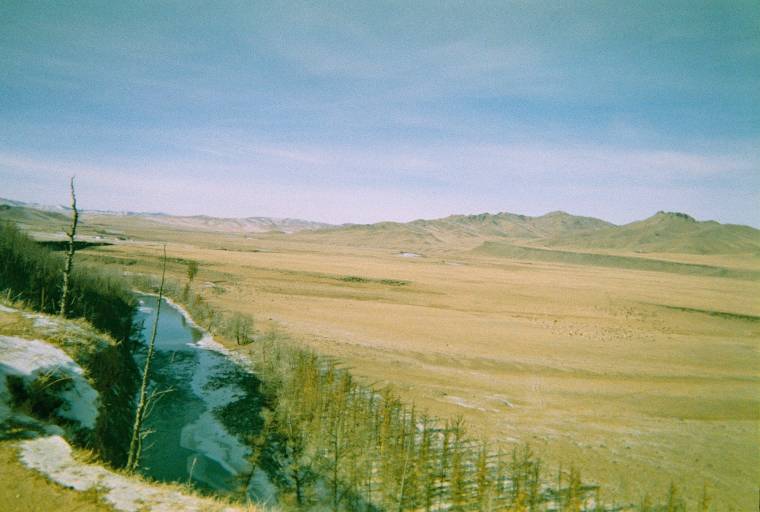
旅程依舊持續著,回到前杭愛省(UVURHANGAY)西北方的哈爾和林(突厥語,意為黒石)哈爾和林(Karakorum)(蒙古语:ᠬᠠᠷᠠᠬᠣᠷᠣᠮ,鲍培转写:Qaraqorum,西里尔字母:Хархорум)。1220年成吉思汗將首都遷於此地,當時無論畜牧、農、商、手工業、教育、宗教、科技、政治外交皆有高度發展,也是政治、經濟與文化的核心所在。而經歷許多戰爭的哈爾和林城,被毀壞與掩埋、成為廢墟,1948–1949年與1976~2008年間進行大規模的挖掘,發現多處土牆、宮殿、市街、房屋等遺跡。(部分文字節錄自王悅蓉、朱筱琪(2015),《蒙古:蒼狼與白鹿的後裔(世界遺產之旅17)》)
抵達哈爾和林的那天,夕陽將綠油油的草原添了幾筆橘色顏料,夜幕來臨,我跟友人走在溪邊聊著各自文化與尋常生活。自由經濟與民主開放的蒙古,雖能全面性的發展,但遊牧文化卻受到改革產生不少轉變與衝擊。這樣的轉變好比David Jiménez撰寫的《雨季的孩子》文中,每位孩童在現實的命運下展現不同的堅強與生命力,而全球化、資本主義、戰爭等更輕易影響文化的特殊性。
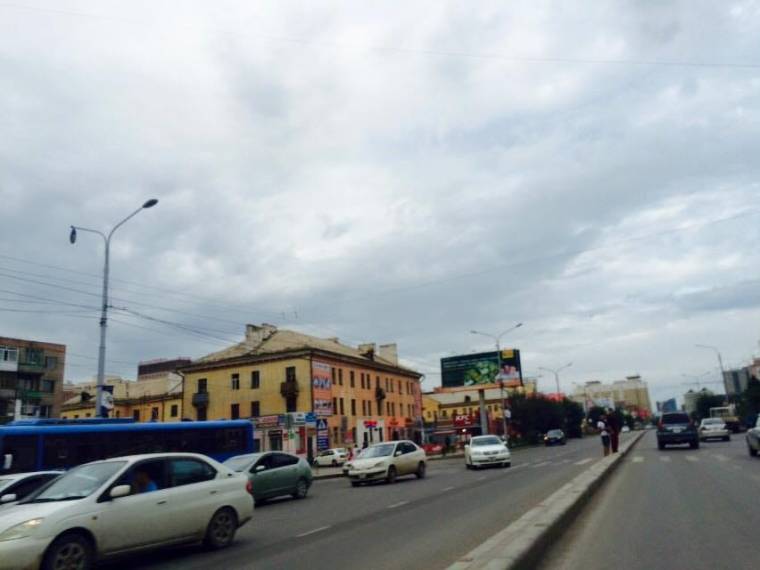
現今的蒙古,許多遊牧人家為了過更好的生活,或提供孩子更好的學習環境,離開牧區轉變生活型態進到城市工作。從首都烏蘭巴托的城市樣貌就能感受到快速擴張的人口,其原為規劃給30萬人所居住的城市,卻容納了120萬人。都市規劃來不及因應的狀態下,環境、人口、貧窮、童工問題接踵而來,而蒙古人的傳統——遊牧文化似乎也在發展下漸漸被遺忘。
與友人的對話,想起了21世紀初聯合國教科文組織(UNESCO)所提出對於20世紀文化遺產的反思:認為強化社群是延續文化遺產的關鍵。所屬UNESCO的「國際遊牧文化研究所」(IISNC),更針對保護遊牧民族獨特的歷史和文化遺產及積極促進適應現代化的發展,以蒙古作為遊牧文化進行研究。
於是隨手拿起手機寫下一段話 – – 「我來自哪?」這句話不只是包含地方及文化上的認同,延伸的是對於「家」的關注。每年回到烏蘭巴托,城市外圍的矮房總搶了目光,那是與市中心、牧區截然不同的景色。黃土路旁大量移徙建成的屋舍,往圍籬縫向內看去,一道一道的煙從蒙古包的煙管升起,陌生的景色,但依舊是現代蒙古的寫照。
「生活核心的消逝」是人類一直以來所關注的,無論何地,傳統文化習俗的傳承斷裂與遺失,都需要思考「自身」及「文化」主體之間的關係,如何保存與傳承讓更多人看見其真實性且完整的面貌,回應歷史帶來的銘刻,重新面對人類文化價值。友人總說著未來他會再回去草原生活,希望能將文化留存下來,讓孩子能感受到遊牧及信仰對於蒙古人的重要性。而UNSCO也在2015年認定Great Burkhan Khaldun Mountain and its surrounding sacred landscape為世界遺產,其強調的是蒙古遊牧生活與信仰文化之間關聯的特殊性,以文化空間的型態被保存下來。
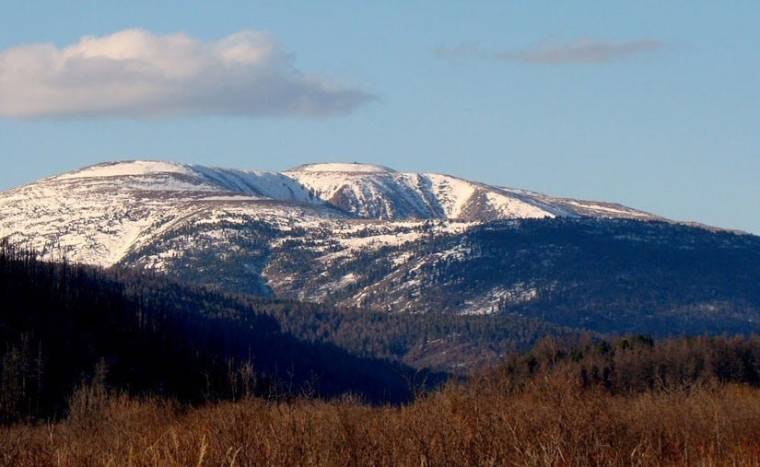
不同的時代和不同的地方具有各種不同的表現形式。這種多樣性的具體表現是構成人類的各群體和各社會的特性所具有的獨特性和多樣化。——《世界文化多樣性》,2011
當代對於生活軌跡的保存觀念,使得這些(暫時)生活居所、生命經驗、生活印記,延伸出的遺產潛力受到更多的重視。人作為一種活的歷史,並在生活中留下許多歷史痕跡的生活物件,皆該在歷史中尋找文化核心…
又快入夜,隨著夜深繼續回憶著溪邊的對話…
After the rain, the sky will always turn blue.
Weather always adds a certain surprise to every journey — much like salt, oil, and seasoning bring a dish to life. In the summer of 2015, I visited Mongolia for the second time. The midsummer climate was comfortable and dry, though the temperature dropped sharply at night, leaving a distinct chill after dark. I was fortunate enough to encounter hail along the way. I remember driving toward our next destination when, without warning, a sound began striking the roof of the car — thud, thud, thud — and then hailstones came pouring down. I was worried about the car, but our Mongolian friend said calmly: “It’s fine — it’ll pass in a moment.” And I thought: Of course. Why worry? Every storm clears eventually. Perhaps it is this innate optimism and deep reverence for nature that carried Mongolia through its period of democratisation. After every storm, the sky always clears.
The journey continued. We returned to Karakorum (Mongolian: ᠬᠠᠷᠠᠬᠣᠷᠣᠮ; Cyrillic: Хархорум), located in the northwest of Övörkhangai Province — its name derived from the Turkic for “black stone.” In 1220, Genghis Khan established his capital here. At its height, the city was a centre of extraordinary development: livestock herding, agriculture, commerce, craftsmanship, education, religion, science, and political diplomacy all flourished. It was the political, economic, and cultural heart of the empire. Through the wars that followed, Karakorum was destroyed and buried, reduced to ruins. Large-scale excavations carried out between 1948–1949 and 1976–2008 uncovered numerous remains of earthen walls, palaces, streets, and dwellings. (Portions of this text are excerpted from Wang Yue-Rong and Chu Hsiao-Chi (2015), Mongolia: Descendants of the Blue Wolf and White Deer (World Heritage Journey, Vol. 17))
On the day we arrived in Karakorum, the setting sun brushed the green grasslands with strokes of orange. As night fell, I walked with a friend along a stream, talking about our respective cultures and everyday lives. Mongolia’s embrace of free-market economics and democratic openness has enabled broad development — but nomadic culture has undergone significant transformation and disruption in the process. This transformation calls to mind the children in David Jiménez’s The Children of the Monsoon, each one displaying a different kind of strength and vitality under the weight of their circumstances. Globalisation, capitalism, and war can so easily erode what makes a culture singular and irreplaceable.
A corner of Ulaanbaatar.
In Mongolia today, many nomadic families have left the pasturelands for the city, seeking better lives or better education for their children. The speed of this urban expansion is palpable in Ulaanbaatar: a city originally designed for 300,000 people now holds 1.2 million. Urban planning has not been able to keep pace, and the consequences — environmental degradation, population pressure, poverty, child labour — have followed in quick succession. The traditional heart of Mongolian identity, nomadic culture, seems to be quietly fading amid the rush of development.
A conversation with my friend brought to mind a reflection UNESCO raised in the early twenty-first century on twentieth-century cultural heritage: that strengthening communities is the key to sustaining cultural heritage. The International Institute for the Study of Nomadic Civilizations (IISNC), affiliated with UNESCO, has specifically focused on protecting the unique historical and cultural heritage of nomadic peoples and promoting development that is adapted to the modern world, using Mongolia as a primary site of research on nomadic culture.
I picked up my phone and wrote a few words: “Where do I come from?” — a question that reaches beyond geography and cultural identity into a deeper concern for what we mean by “home.” Every time I returned to Ulaanbaatar, it was the low houses on the city’s outskirts that caught my eye — a landscape entirely unlike both the city centre and the open pasturelands. Along the unpaved yellow-earth roads, rows of quickly-built dwellings pressed close together. Peering through the gaps in the fences, thin columns of smoke rose from the chimneys of gers — an unfamiliar scene, yet one that is unmistakably the face of contemporary Mongolia.
“The disappearance of the core of daily life” is a concern that has preoccupied human beings everywhere and across all time. Wherever traditions fracture and are lost, we are called to think about the relationship between the individual self and the cultural subject — about how to preserve and pass on what is most real and complete, so that more people might encounter it; how to respond to the inscriptions that history has left upon us; and how to face anew the values that human culture holds. My friend always spoke of returning to the grasslands one day, hoping to keep the culture alive — to let his children feel how deeply nomadic life and spiritual belief matter to the Mongolian people. In 2015, UNESCO designated the Great Burkhan Khaldun Mountain and its surrounding sacred landscape as a World Heritage Site, recognising the exceptional significance of the relationship between Mongolian nomadic life and spiritual culture, preserved in the form of a living cultural landscape.
“Different eras and different places produce many different forms of expression. The concrete expression of this diversity is the uniqueness and diversity inherent in the identities of the groups and societies that make up humanity.” — Universal Declaration on Cultural Diversity, UNESCO, 2011
Contemporary thinking about the preservation of life’s traces has brought greater attention to the heritage potential embedded in these (temporary) dwellings, life experiences, and everyday imprints. The human being, as a kind of living history, leaves behind countless historical traces in the objects of daily life — and all of these deserve to find their cultural core within the wider story of history.
Night was falling again. As the darkness deepened, I kept returning to the conversation by the stream.