| Curatorial Practice | Art & Residency | Socially Engagement |
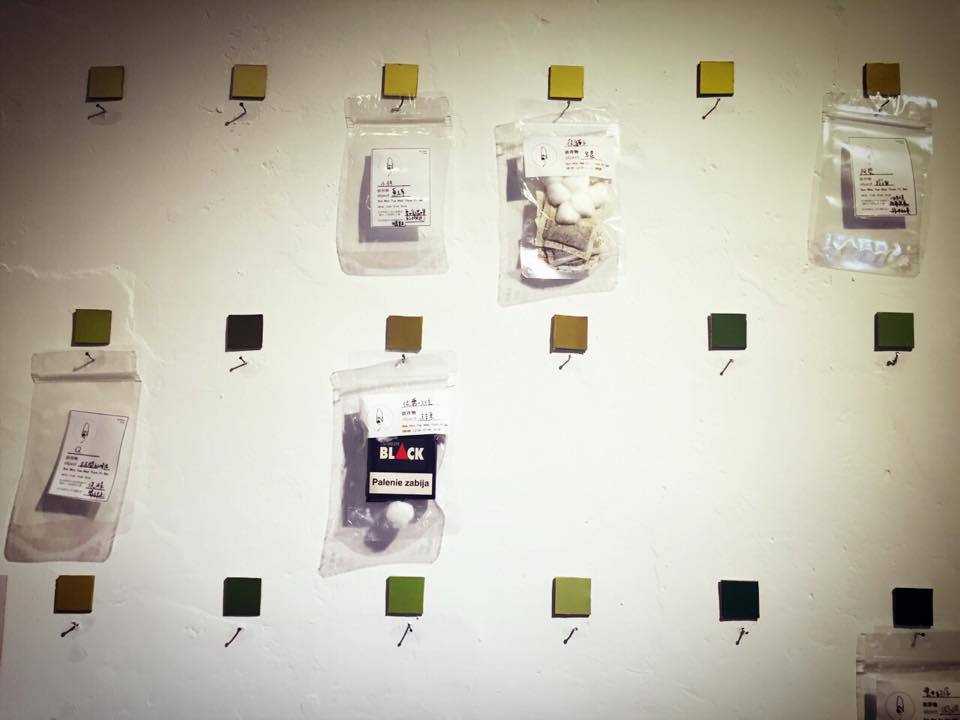
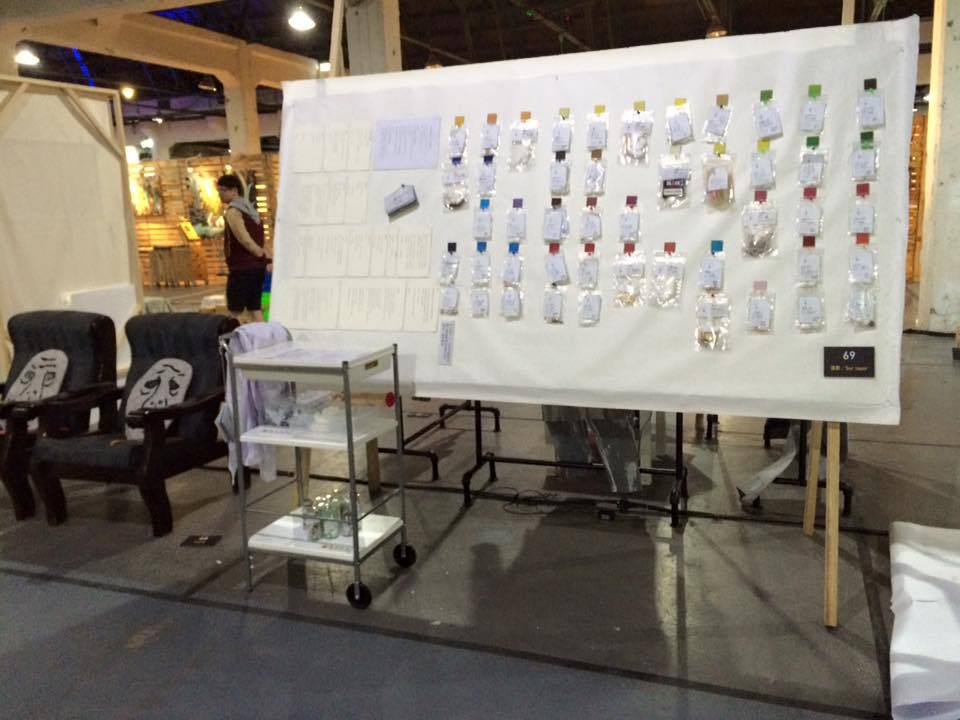
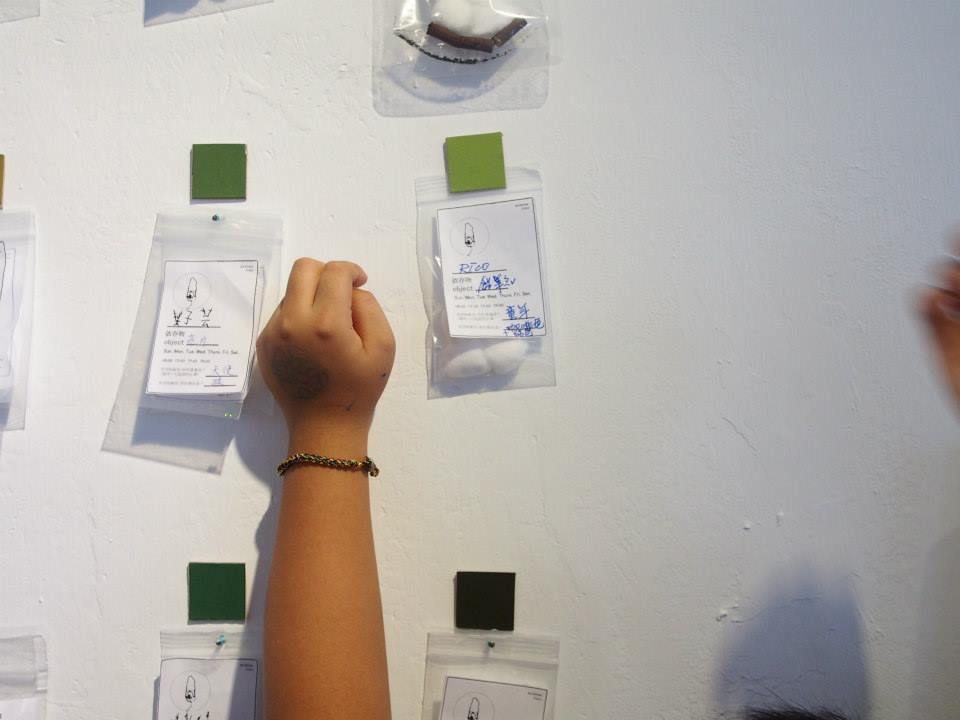
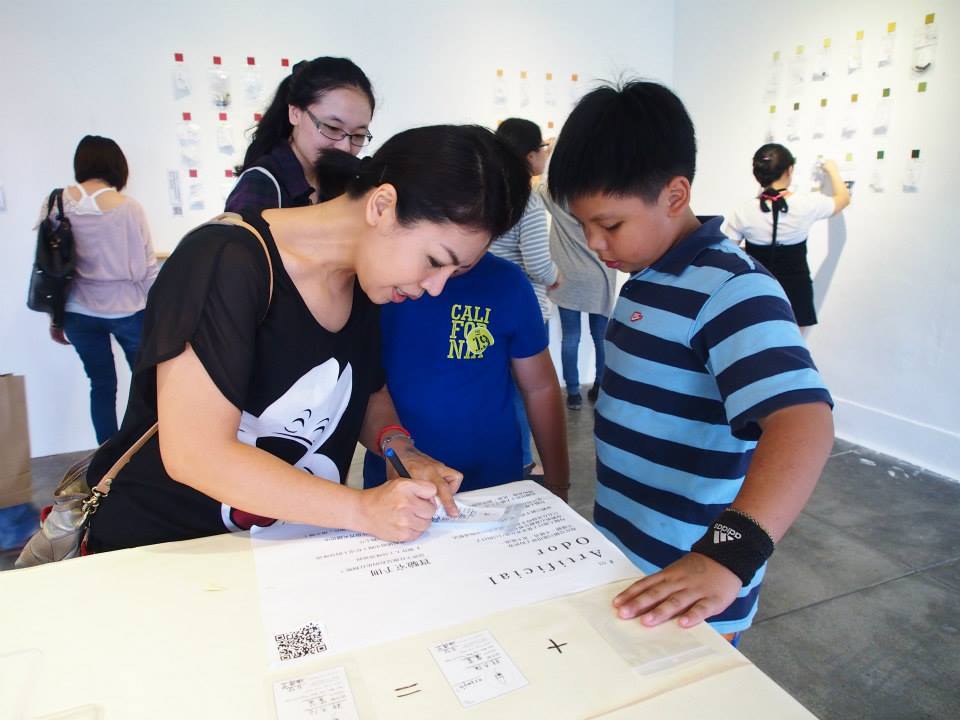

2014/11/01 – 30
Banqiao 435 Art Zone, Taiwan
2015 Artist, Artificial Odor, Taipei Free Art Fair, Taipei
2015 Artist, Artificial Odor, On Site, Taipei
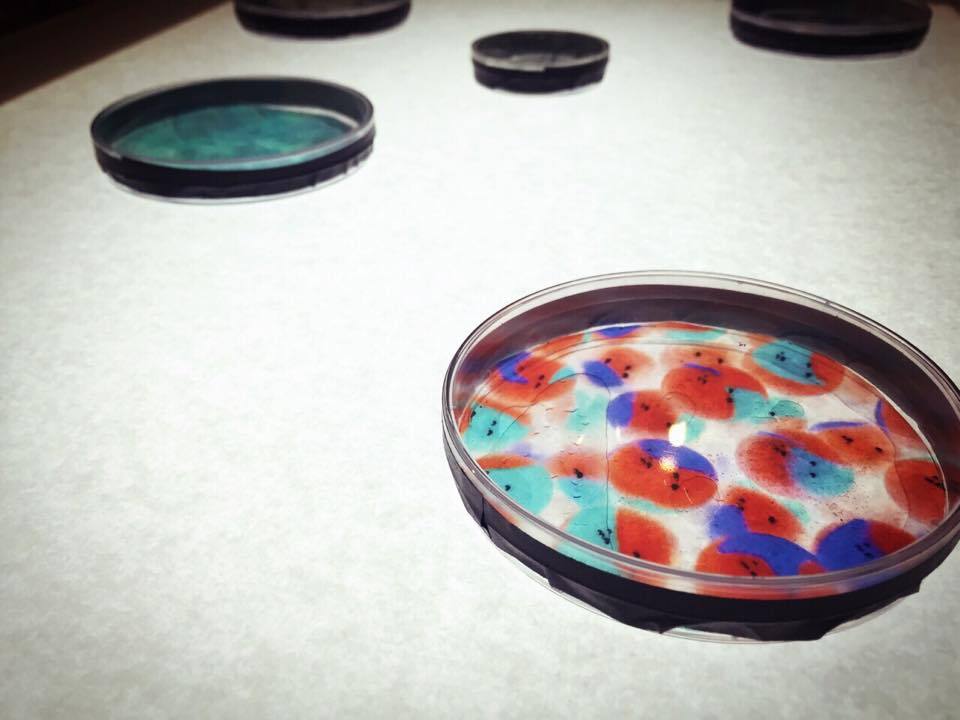
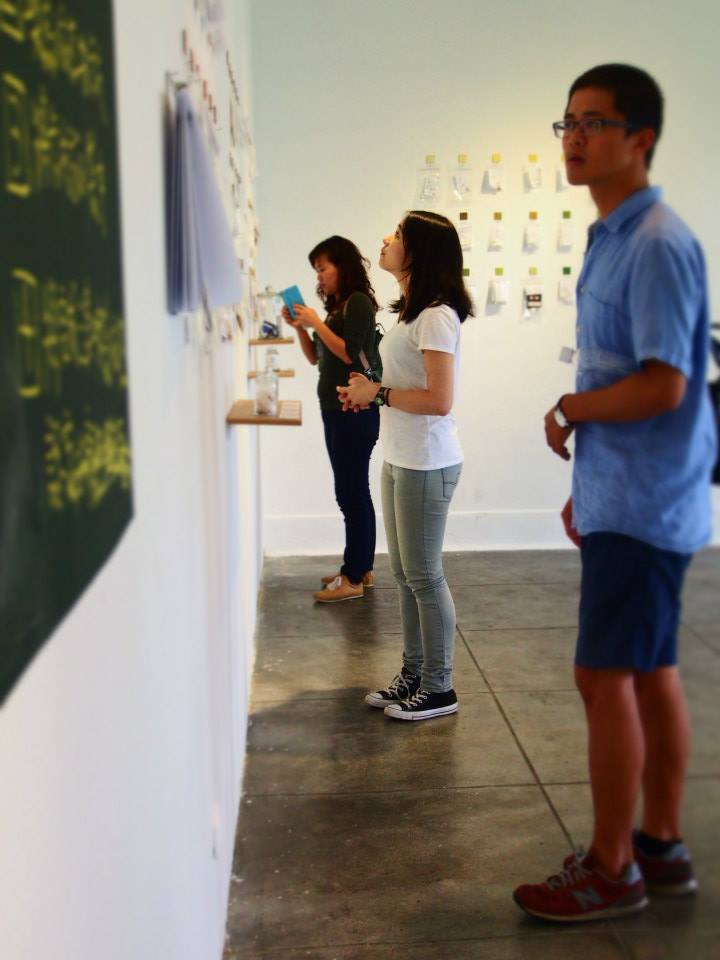
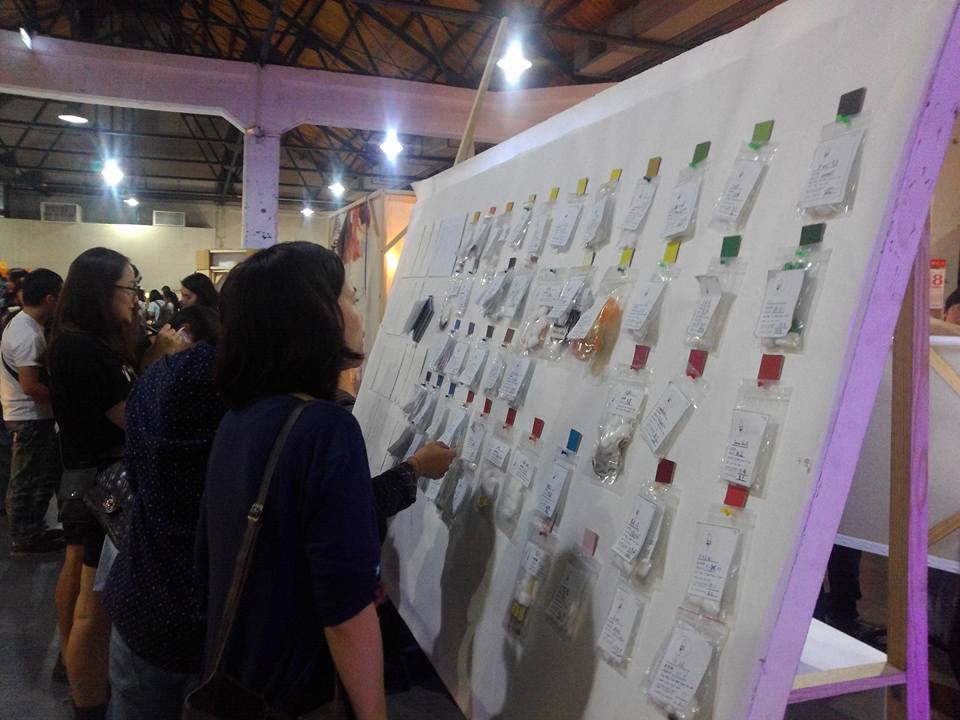
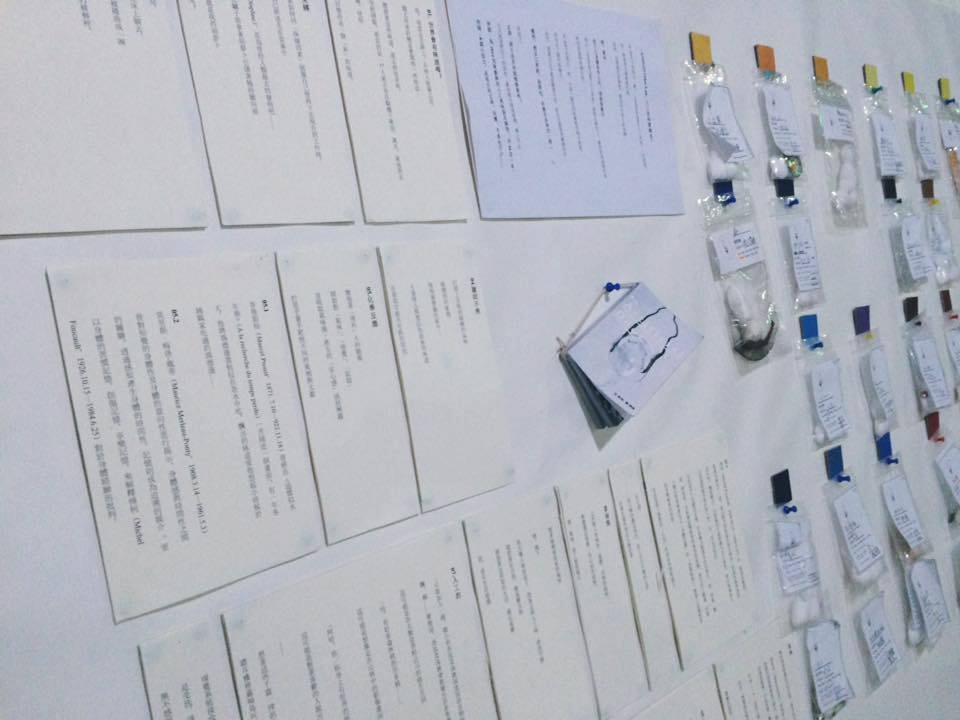
Artificial Odor / 人工臭味
Hsiao-Chi Chu, Ting-Ting Hsieh (Corporate in Banqiao 435 Art Zone, Taiwan)
A Brief Review of “Artificial Odor / 人工臭味” & Full documents
Press Review: (1) Liberty Times (自由時報) http://news.ltn.com.tw/news/local/paper/831539 (2) NCCU UONLINE NEWS (政大大學報) http://uonlineblog.blogspot.com/2014/12/blog-post_75.htmlhttp://zh.scribd.com/doc/249456618/1583-PDF
Bodily perception — this is something difficult to explain in words. Transcending time and space, I often encounter similar feelings or a certain kind of consciousness at different points across four dimensions. This project began as an idea in a graduate seminar course, set aside for an entire year before it started calling me back.
We are living in a world where only the nose remains.
We cannot hear, cannot see, cannot speak.
Not only I, but everyone — no one is truly living their own life.
Body and spirit are always held captive by something else.
Only in stillness do we find ourselves thinking of the things and ideas that move us most.
The olfactory brain is where scent molecules pass through. Several important glands beneath the limbic system are connected to it, because they govern the most primal human behaviours:
The amygdala: manages all emotions — anger and fear, desire and hunger. The hippocampus: manages long-term memory, the recollection of past situations, and spatial perception. The hypothalamus: governs sexual desire and impulse, the secretion of growth hormones, the regulation of adrenaline (fight or flight), and the brain’s central processing of information.
The sense of smell connects our feelings and emotional perception. A single scent may lead to memories that transcend time — not only relieving stress and releasing what is suppressed, but allowing us to find and face ourselves. Each person carries a familiar scent of their own, and it is only within that scent that they feel free, that they can continue to live.
Smell is the sensory perception through which living beings connect with the external world. Two major systems shape olfactory perception: the olfactory nerve system and the nasal trigeminal system. Smell and taste are often integrated, each acting upon the other. Compared to taste, smell is a form of perception that detects chemical stimulation across a greater distance.
The olfactory system is composed of the main olfactory system — which detects gaseous substances — and the accessory olfactory system, which detects liquid substances. When a mammal inhales through the nose, the olfactory epithelial cells come into contact with the gas and detect its scent, triggering a cascade of enzymatic reactions. The scent received is, in many ways, a kind of information.
About ten years ago, scientists discovered that beyond the hippocampus, smell and memory are also deeply connected. The olfactory brain is the earliest-formed region of the cerebral cortex — the archicortex — which later developed into the brain’s “limbic system.” From infancy, before the visual senses have been strongly stimulated, smell is one of the primary systems through which we come to know the world.
As organisms evolved, the neocortex — governing rational thought — gradually covered the archicortex. The archicortex retains a deep connection to emotion and memory: unease, fear, sexual desire, excitement — the sensations that shape behaviour in every dimension of daily life, controlling the most primal of human instincts.
Marcel Proust once described a scene in In Search of Lost Time: one winter, he dipped a madeleine into a cup of tea, and the scent that rose carried him back to his childhood, to the madeleines he had eaten at his aunt’s house.
Maurice Merleau-Ponty revealed the bodily nature of perception and the intentionality of the body — memory as a medium of retrospection, the body’s sense of time emerging through perception. He drew on habitual memory, traumatic memory, and pleasurable memory to engage with Foucault’s critique of bodily experience.
Artificial Odor is not an attempt to survey phenomenology completely. It is an experimental project through which to re-examine, in the present moment of our existence, how we might use scent to search for a more authentic self.
Whenever I walk down the street, before anything enters my field of vision, what always arrives first is a smell.
In this exhibition, I try to use my nose to feel life.
Start to boil, and sink. The odors overflow.
身體感知,嗯,這是一個很難用文字解說的事情 超乎時間與空間,總是在不同的四維點上感受到相似或是某種意識 這個計畫是在研究所時,有一堂課開始發想… 也正因為當時,也擱置了一整年,它開始召喚自己。
現在是個只能用鼻子的世界, 不能聽、不能看、更不能說…
每個人過日子並非在過自己的日子
身體與心靈總是被牽制住
只有在沈靜時
才會想到最感動的事物或想法
嗅覺腦(olfactory brain) 是氣味分子通過的地方,在邊緣系統下方的幾個重要腺體也都跟嗅覺腦有關連,因為他們控制著人類最原始本能的行為: 杏仁核:管理各種情緒。憤怒與恐懼,欲望與饑餓感等等。 海馬迴:管理長期記憶,回憶過往情境,空間感受。 下視丘:性的慾望和衝動,生長激素荷爾蒙的分泌。腎上腺素的分泌控制(進攻或撤退),腦的訊息處理中心。
嗅覺連結著我們的感受與情感知覺,有可能會因為一個味道,而牽引出許多超越時間的記憶,不單只是放鬆、釋放壓抑,更能放下心來面對自己。 每個人都有自己熟悉的味道 也只有在那味道下才能繼續生活… 我試圖用鼻子去感受生活 開始煮開,沈淪氣味也隨之溢出⋯⋯
嗅覺,是生物連結外在的一種感官感受到的知覺
嗅神經系統與鼻三叉神經系統這兩大系統形塑嗅覺的感知
嗅覺往往與味覺會整合、彼此產生交互作用
相較味覺來說,嗅覺是一種長距離感受到化學刺激的一種知覺
嗅覺系統,意旨感受氣味的一種感覺系統
大部分哺乳類與爬蟲類的嗅覺系統
是由主嗅覺系統(main olfactory system)
與輔助嗅覺系統(accessory olfactory system)組成
這複雜的系統功能能夠將感官接收到 之 化學系號轉化成為一種感受
而主嗅覺系統將負責感應「氣態物質」的氣味
則輔助秀學系統負責感應「液態物質」的氣味
在當哺乳動物由鼻子吸入氣體時,
嗅覺感受器的嗅覺上皮細胞會接觸到氣體,並探測氣味
將引發連續的酶級聯反應,進行傳導
由嗅覺系統接收的氣味,往往是一種信息
約莫於10年前,科學家發現腦中除了海馬區之外,
嗅覺與記憶也有緊密的關聯
腦的某個部分被稱作嗅覺腦,是大腦皮質最早形成的位置——舊皮質,後來形成嗅覺系統大腦的「邊緣系統」
人類自嬰幼兒時期,尚未受到視覺感覺強烈刺激時,
嗅覺就是其中一個常使用的感官系統來認識外界
往高等動物演化之時,主管理性思考的新皮質區逐漸覆蓋舊皮質區域,這個區域掌管除嗅覺以外的感官功能,控制行為、慾望、情感表現、運動感知等。
舊皮質,嗅覺有著與情緒、記憶的深度連結,不安、恐懼、性慾、興奮,日常生活中各面向足以影響行為的感受,控制著人類最原始的本能。
普魯斯特(Marcel Proust,1871. 7.10—922.11.18)曾經在《追憶似水年華》(A la recherche du temps perdu)一書描述一個畫面:,有一年冬天,他將瑪德蓮蛋糕浸在茶水中吃,飄出的味道使他想起小時候於姨媽家吃過的瑪德蓮……
莫里斯·梅洛-龐蒂(Maurice Merleau-Ponty,1908.3.14|1961.5.3)曾對知覺的身體性及身體的意向性進行揭示,身體感與時間性之間的關聯,記憶成為追溯的媒介,透過感知產生身體的時間性。更以身體的習慣記憶、創傷記憶、享樂記憶,來解釋傅柯(Michel Foucault,1926.10.15|1984.6.25)對於身體經驗的批判。
《Artificial Odor / 人工臭味》藝術創作,並非是要對現象學進行完整的耙梳,而是透過這實驗計畫,重新辯思人們在生存的現下,如何透過「氣味」尋找真實的自我。
我,每當走在路上,在映入眼簾之前,
隨之而來的總是會聞到一些味道…
現在是個只能用鼻子的世界,不能聽、不能看、更不能說…
每個人過日子都並非在過自己的日子
身體與心靈總是被牽制住
只有在沈靜時才會想到最感動的事物或想法
嗅覺連結著我們的感受與情感知覺,有可能會因為一個味道,而牽引出許多超越時間的記憶,不單只是放鬆、釋放壓抑,更能放下心來面對自己。 每個人都有自己熟悉的味道也只有在那味道下才能繼續生活… 我試圖用鼻子去感受生活開始煮開,沈淪氣味也隨之溢出…
最後 感謝共同參與的民眾、435藝文特區提供場地 感謝聯合報與中央廣播電台的採訪 展覽結束了,卻是個開始,這次共有近150位一同參與 接下來…空間將轉換到另一處,什麼能超越場域與時間限制呢?

 織事|Weave the Edge